Best Winter Fabrics for Extreme Cold & How to Clean Them
Discover the best winter fabrics — wool, fleece, puffer, mink blankets, hoodies and thermal wear — and learn practical, safe cleaning methods to keep them warm, soft and long-lasting.
Introduction
Cold weather demands the right fabrics to stay warm, comfortable and protected. Choosing quality winter materials (wool, fleece, puffer insulation, mink blankets, hoodies and thermal layers) makes a big difference — and proper cleaning keeps these items performing season after season. This guide explains why each fabric works in extreme cold and provides practical, safe cleaning and storage tips you can follow at home or with a professional cleaner.
1. Wool — The Classic Insulator
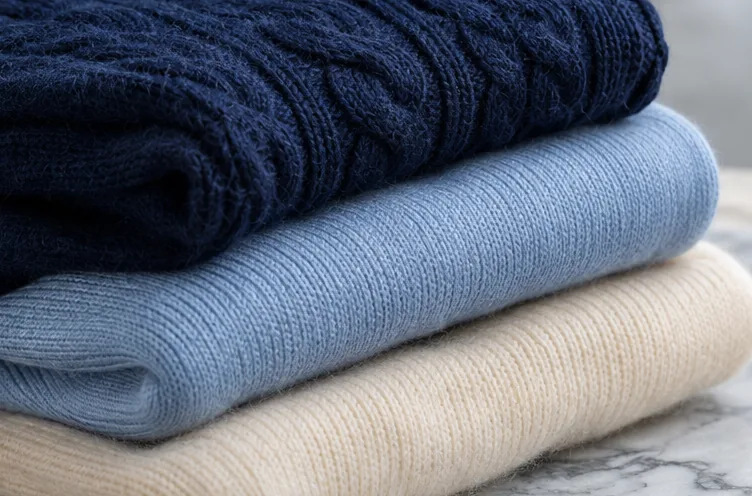
Wool is a natural fibre that traps heat while remaining breathable and moisture-resistant. It’s ideal for sweaters, scarves and shawls. For cleaning, always prefer cold-water hand wash or gentle machine cycle with a wool-safe detergent. Do not wring or twist; reshape and dry flat on a towel. For expensive woolens (cashmere, merino), professional dry cleaning or a delicate hand wash is recommended. Store folded in breathable containers with moisture absorbers to avoid moth damage.
2. Fleece — Lightweight Warmth
Fleece is a synthetic fabric known for being lightweight, quick-drying and warm — perfect for layering. Fleece is easy to launder: wash on a gentle cycle with cold water, avoid fabric softeners (they reduce loft), and air-dry or tumble-dry on low. Remove pilling with a fabric comb. Fleece resists dampness well but should still be stored dry to prevent stale smells.
3. Puffer Jackets — Insulation and Care
Puffer jackets keep you warm with down or synthetic fill. Clean puffers on a gentle wash cycle with a mild detergent or use professional cleaning for premium down. Dry with low heat and toss in a couple of clean tennis balls or dryer balls to restore loft and prevent clumping. Check garment labels for water-repellent coatings; after washing you may need to reapply a DWR spray to maintain water resistance.
4. Mink & Plush Blankets — Heavy Winter Bedding
Mink/plush blankets are thick and supremely warm. Clean them carefully: use a cold-water wash with mild detergent and avoid vigorous spins which can compress fibres. Large blankets may be best handled by a professional cleaner or commercial machine. Avoid high heat during drying; tumble-dry on low or air-dry to preserve softness. Store in a dry place and avoid plastic long-term to prevent moisture buildup.
5. Hoodies — Everyday Winter Layer
Hoodies (cotton or blended fabrics) are versatile winter staples. Turn them inside-out before washing to protect prints and trims. Use cold water and a mild detergent; avoid bleach. For cotton hoodies, air-dry or tumble-dry on low to maintain shape. For fleece-lined hoodies, skip fabric softener and dry gently to keep the lining soft.
6. Thermal Wear — Base Layer Essentials
Thermal garments trap body heat and work best as a base layer. Most thermals are synthetic blends or lightweight wool. Wash on a gentle cycle with mild detergent, avoid hot water and bleach, and dry in shade or tumble-dry on low. Refrain from ironing at high temperatures — heat can damage elasticity and wicking performance.
7. Quick Care & Storage Tips
Always check garment labels first. Use mild detergents and cold water for most winter fabrics. Avoid hot drying and excessive agitation. For delicate or expensive pieces, prefer professional cleaning. Store winter items clean and totally dry, use breathable covers or muslin bags, and keep silica gel or moisture absorbers handy to prevent mildew and odour.
8. When to Choose Professional Cleaning
Professional cleaning is recommended for high-value or heavily embellished garments (fine wool, premium down jackets, mink blankets). A pro cleaner offers controlled drying, special solvents and techniques that protect fibres, coatings and insulation. If unsure, consult a trusted laundry service for fabric-specific advice.
Conclusion
Correct fabric choice and careful cleaning extend the life and warmth of winter clothing. Follow gentle wash methods, avoid heat damage, and use professional services for delicate or valuable items. With proper care, your winter gear will stay warm, comfortable and ready for every cold-weather day.
More questions about this guide
Answers before you book.
Which fabric is best for extreme cold?
Wool and insulated puffer jackets (with quality down or synthetic fill) offer the best combination of warmth, breathability and protection in extreme cold.
Can I machine wash wool sweaters?
Some wool sweaters can be machine-washed on a gentle cold cycle, but many premium wools (cashmere, merino) should be hand-washed or dry-cleaned to avoid shrinking and distortion.
How do I restore a puffer jacket's loft after washing?
Dry the jacket with low heat and add 2–3 clean tennis balls or dryer balls to the dryer; this helps break up clumps and restore the loft.
Are mink blankets washable at home?
Smaller mink or plush blankets can be washed at home with cold water and mild detergent, but very large or high-end blankets are safer to clean professionally.
Should I use fabric softener on fleece?
No. Fabric softener reduces fleece loft and performance. Skip softeners and use a gentle detergent instead.
How often should I wash hoodies during winter?
Wash hoodies as needed based on use; for regular wear, every 3–5 wears is common. Turn them inside-out and wash in cold water to preserve colour and prints.
More questions 4
Can thermal wear be tumble-dried?
Thermal wear can be tumble-dried on a low setting, but air-drying in shade is preferred to preserve elasticity and moisture-wicking properties.
How do I remove pilling from winter garments?
Use a fabric comb, shaving-type lint remover, or a pill remover device gently to remove pills without damaging the fabric.
Is reapplying DWR coating necessary after washing puffer jackets?
Yes, if your jacket has a durable water repellent finish, washing can reduce its effectiveness. Reapply a DWR spray to restore water resistance if water no longer beads on the surface.
What is the best way to store winter clothes off-season?
Clean garments before storing, fold or hang them in breathable cotton/muslin bags, place silica gel or moisture absorbers nearby, and keep them in a cool, dry place away from direct sunlight.